
harmful coping mechanisms
and yet another warning to journalists

Hi there,
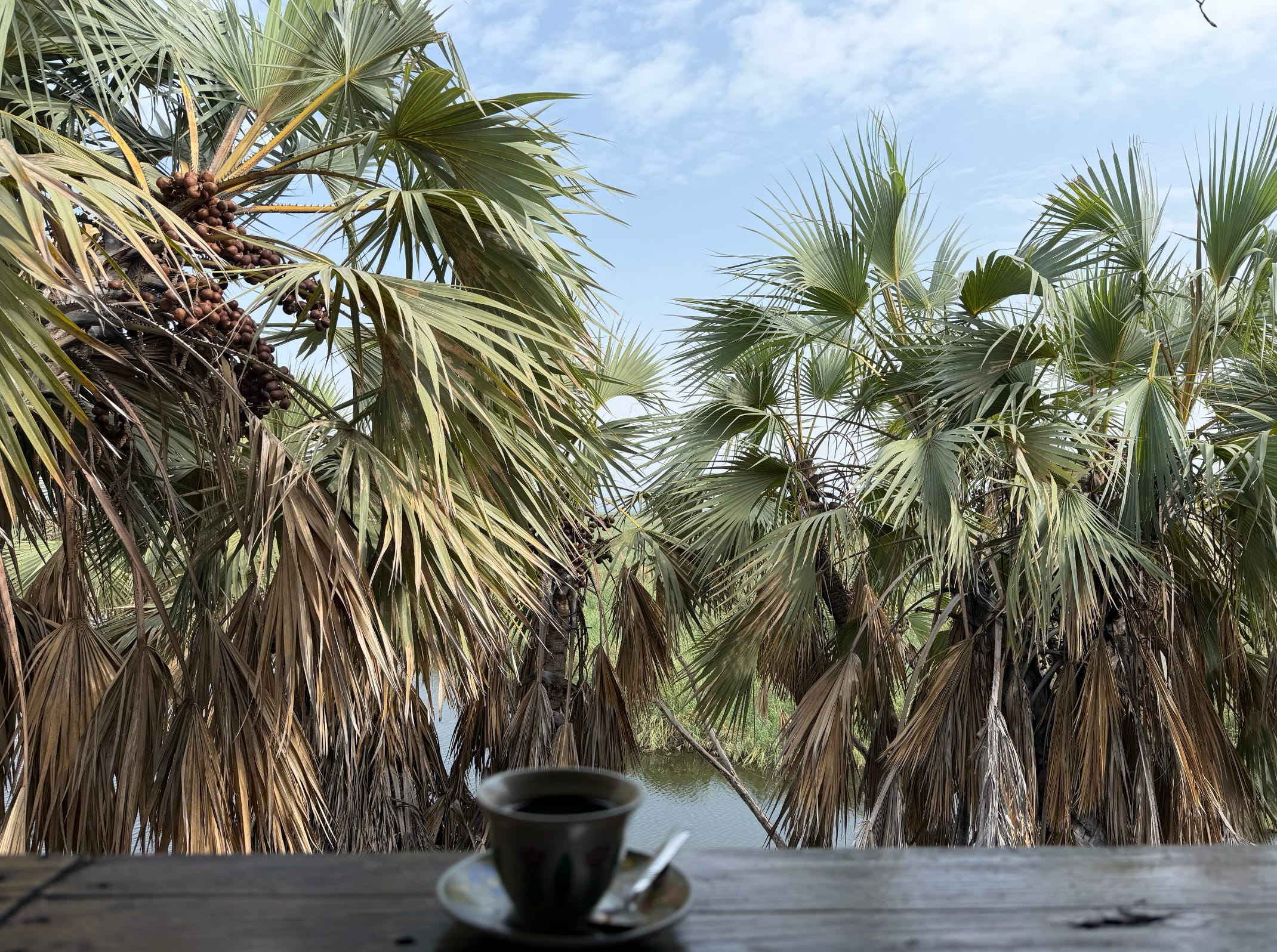
I hope your weekend was fun. I spent mine in Awash with friends; I swam, read, napped, drank coffee, and fell trying to be adventurous (swim in a lake).
If you’re free this coming Friday at 5 pm, I’m moderating a Q&A with the brilliant Ethiopian filmmaker, Salem Mekuria, after a screening of her film, Sidet, at Alliance Ethio-Française - come through! More details in the last update for this edition.
My name is Maya Misikir, and I’m a freelance reporter based in Addis Abeba. I write Sifter, this newsletter where I send out the week’s top 5 human rights stories in Ethiopia.
Now, to the news.
Tigray: not allowed to leave
The rift between the federal government and the regional administration in Tigray has continued to deepen. The fallout, as always, lands the hardest on ordinary people. Last week, people travelling from Tigray to Addis Abeba were turned back at security checkpoints.
Here’s an excerpt from a story on Wegahta Facts:
“They made everyone get off the buses and checked our IDs one by one,” one passenger who is from the southern Tigray town of Maichew and were traveling to Addis Ababa told Wegahta, speaking on condition of anonymity for fear of reprisals.
“They stopped everyone holding a Tigray issued ID cards from passing. The buses continued with only people from other parts of the country.”
Young people are leaving the region, trying to avoid forced conscription and the possibility of another war, according to the report.
The full story, on Wegahta Facts, here.
Press freedom: legal consequences
The National Dialogue Commission is preparing to hold its plenary soon. This means that the consultative (“agenda gathering”) meetings the Commission has had with representatives from across the country over the past several years will be presented and discussed (with 4,000 people participating) in Addis Abeba.
With this in mind, the Commission has now issued a warning to media houses not to “sensationalize agendas”, according to a story on The Reporter.
Here’s an excerpt:
A directive issued in tandem with the Ethiopian Media Authority threatens media outlets and journalists who breach its provisions with legal consequences.
The National Dialogue Commission is set up to facilitate discussion (and reach national consensus) on major issues, including ones that could potentially lead to a constitutional amendment. This latest directive is in place to, “discourage the press from covering topics that they say could incite conflict and tensions among the public.”
The full story on The Reporter, here.
Migration: asking for leniency
Families of Ethiopian prisoners sentenced to death in Khamis Mushait prison, in the southwest of Saudi Arabia, are asking for leniency from the Saudi government.
Here’s an excerpt from a story on CNN:
A total of 356 people were executed in Saudi Arabia last year, the highest number in recent history, according to Saudi records compiled by NGOs…The number executed for non-lethal drug crimes this year has reached 71, with Ethiopians representing the biggest number of foreign nationals.
What do human rights experts make of this?
Here’s another excerpt:
“There is a clear pattern of Saudi authorities targeting vulnerable migrants. Often, their true ‘crime’ appears to have been crossing the border, in search of a better life.”
The Ethiopian government says that it has “continued to engage with the Kingdom of Saudi Arabia at the highest levels of government” and that “to date” 1,971 nationals have been granted amnesty.
The full story on CNN, here, and the statement from the Ethiopian Ministry of Foreign Affairs, here.
Displacement: three years in
There are nearly half a million (478,931) people displaced across Ethiopia’s Amhara region. Next month will mark three years since fighting between the federal government and the region’s informal militia group (the Fano) started.
Here’s an excerpt from the latest report by the UN’s refugee agency:
Conflict, insecurity, and socioeconomic shocks continue to exacerbate humanitarian needs among displaced and host communities alike.
Across 18 locations in the region, displaced people are facing several issues beyond food, healthcare, or even education barriers. The report shares that there is “widespread mental health and psychosocial distress” and “increasing use of harmful coping mechanisms”.
The full factsheet, from the UNHCR, here.
Culture: a film on women in exile
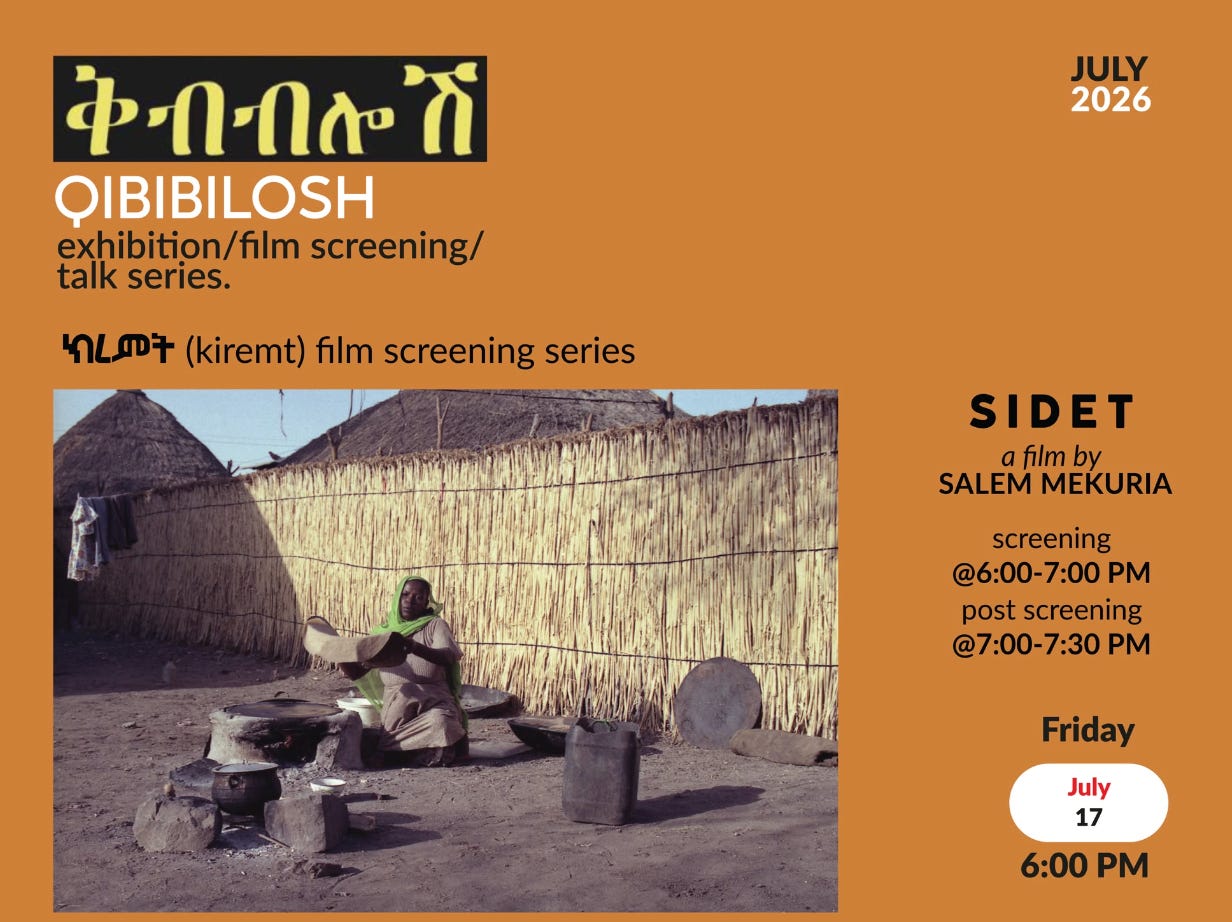
This coming Friday, Qibibilosh will be screening the film Sidet; a one-hour documentary film on “the personal odysseys of three Ethiopian/ Eritrean women refugees in the Sudan.”
There are many themes that the film explores: “the complexity of the experience of exile”, “the resilience, courage, and determination characteristic of women survivors,” and “the consequences of political struggles”.
I’m moderating the session after the screening with the director and producer, Salem Mekuria. Come through, share the word, and reply to this and let me know if you have any questions!
That’s all for this week. I’ll catch you next Monday.
In the meantime, if you know someone who might be interested in this, share and let them know!