
a very precedented attack on media
and conveniently missing files

Hi there,
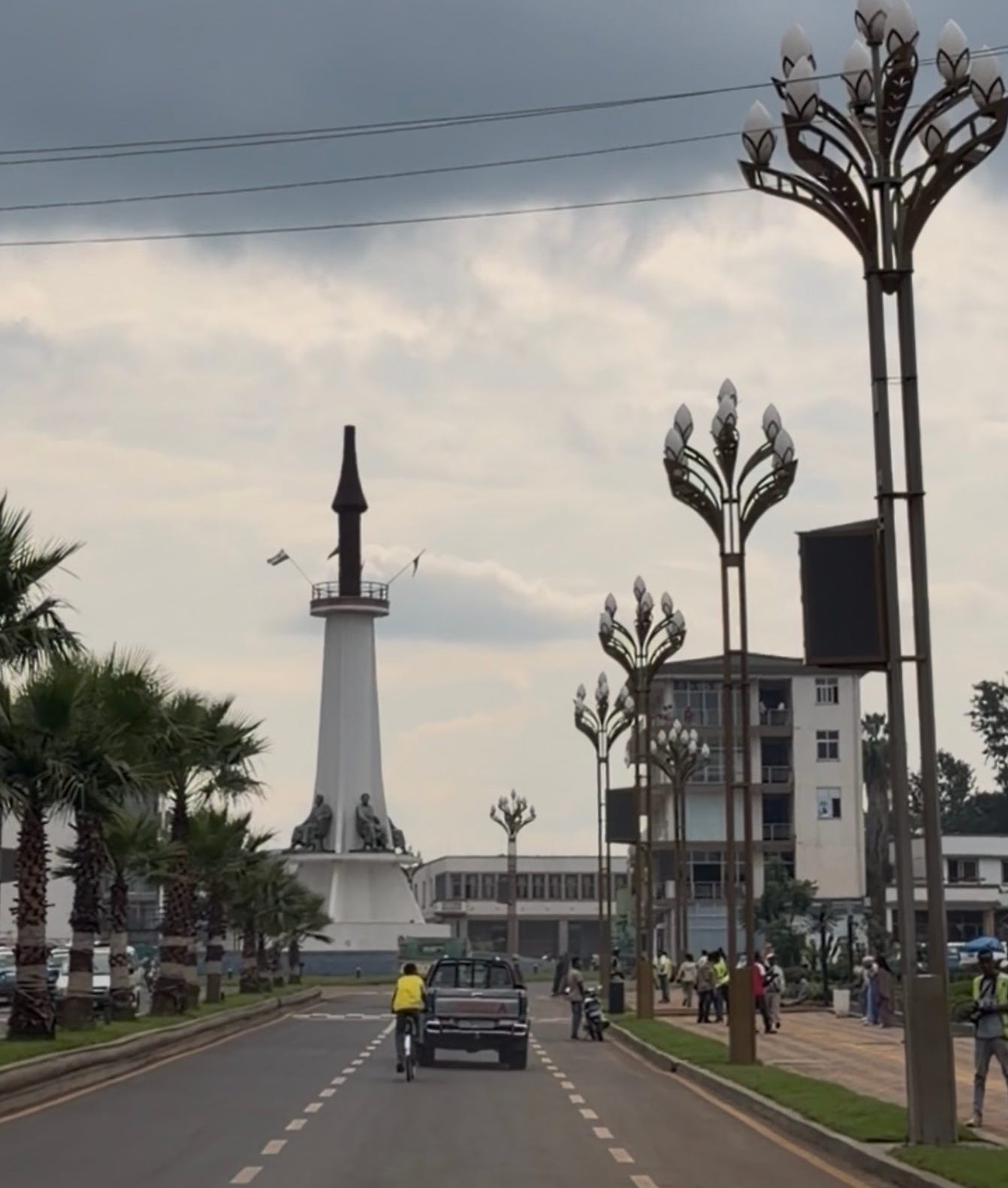
I got back from a reporting trip to Jimma this Monday evening and will be heading back out to Hawassa early tomorrow, so I'm keeping this edition somewhat short, even though a lot of these stories deserve more time and attention.
My name is Maya Misikir, and I’m a freelance reporter based in Addis Abeba. I write Sifter, this newsletter where I send out the week’s top 5 human rights stories in Ethiopia.
Now, to the news.
Press freedom: abducted and assaulted
The onslaught against journalists and the media sector writ large has not abated, despite the Ethiopian general elections having come and gone.
Yonas Kedir, the editor-in-chief of Addis Standard media house, was abducted and physically assaulted by security personnel earlier this month, according to a statement from the media house’s publishing company.
He was released 24 hours later, after being “subjected to prolonged interrogation”.
Here’s an excerpt from a statement from the Committee to Protect Journalists (CPJ):
“These attacks on the Addis Standard and Yonas Kedir represent an alarming escalation in Ethiopian authorities’ campaign to dismantle one of the country’s leading independent news organizations,” said CPJ Africa Program Coordinator Muthoki Mumo.
It didn’t end there.
The media house was raided the day after he was abducted and consequently lost valuable equipment, including cameras. They were also served with an eviction notice for the studio where they had worked for the past 16 years.
I have written past updates when Addis Standard’s managing editor, Million Beyene, was abducted and disappeared for over 2 weeks, as well as when the media regulatory body revoked their license.
The full statement on CPJ, here.
Women’s rights: it’s rarely a stranger
A 30-year-old woman, Kidusan Yirgalem, a designer living in Addis Abeba, was found dead three days after she was abducted earlier this month.
Who are the suspects? Her younger sister’s1friend, along with 8 other people, according to police information shared with the BBC.
Who is her younger sister? Ruth Yirgalem, who is representing Ethiopia in the Miss World 2026 competitions (and partly the reason why this story may have gained as much traction as it has).
The suspects have not only admitted to the crime, but they’ve also disclosed where and how they committed it.
Why did they do it? Ransom. They had initially asked for 2.5 million ETB (around 15,000 USD).
The full story, on the BBC, in Amharic, here.
Femicide: ruling overturned
I have written previously about the murder of Zewdu Haftu and the subsequent lengthy court procedures that have followed.
Zewdu was killed in Ethiopia’s Tigray region in August 2023 in broad daylight. When her suspected murderers were brought to court, news broke that they had disrupted the proceedings by threatening the presiding judge. This led to the judges in the region going on strike, for fear of their safety while doing their work.
Afterwards, the defendants were sentenced to life imprisonment2 for their crimes.
Last week, another horrible update has emerged in the form of the acquittal of her convicted killers.
Why on earth has this happened?
The defendants appealed the convictions, after which, “the court requested the submission of the complete case file from the original trial”.
Here’s an excerpt from a story on Wegahta Facts on what happened after:
The Central Court of Mekelle ruled that Yared Gebreselassie and Angesom Hailemariam be released without being required to mount a defense, after key digital evidence that had originally been submitted to the court went missing from the archived case file and police said it could not obtain the evidence…
The full story on Wegahta Facts, here, and a look at what femicide is like in Ethiopia, here, for a better understanding of the broader context that allows such violence to unfold.
Climate: landslides in Amhara
A landslide in Ethiopia’s Amhara region has killed 14 people who were taking part in an overnight prayer session in a monastery, according to the BBC.
Here’s an excerpt:
The monastery includes a prayer chamber carved into the mountainside, where the worshippers had gathered for the special prayer service.
“The land above the cave… slid after the heavy rain that lasted throughout the night,” Dagnachew Azbite, a senior local official, told the BBC.
As we are now in the rainy season in Ethiopia, this is something that requires closer attention, adds the story.
In July 2024, there was a catastrophic landslide in South Ethiopia region, where over 200 people lost their lives. And again, in March of this year, a national three-day mourning period was announced after 125 people were killed in the same region, caused by ‘unseasonal torrential rains’.
The full story on the BBC, here.
Tigray: a breakdown on how we got here
Dedicating this edition’s final section to the latest explainer on Al Jazeera on what is happening in Ethiopia’s Tigray region.
Last week, I included an update on the brief fighting between the Ethiopian federal army and the fighters from the Tigray People's Liberation Front (TPLF).
This explainer breaks down the role of the Eritrean army and Fano militias (the group fighting the government in Ethiopia’s Amhara region) in this renewed round of tensions between the TPLF and the Ethiopian government, and the shifting alliances that can be hard to keep up with, even for someone who writes the news for a living.
The full breakdown, on Al Jazeera, here.
That’s all for this week. I’ll catch you next Monday.
In the meantime, if you know someone who might be interested in this, share and let them know!
An earlier version translated this as “boyfriend” from the Amharic video. The correct translation is “friend.”
An earlier version said death sentence. The correct ruling is life is imprisonment.
Thank you Maya